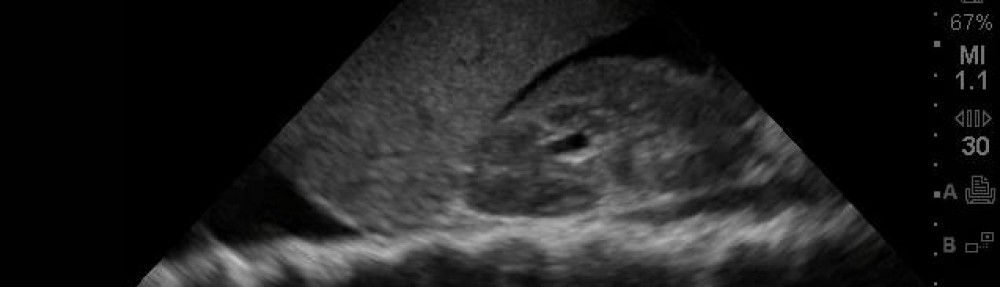
SonoStudy: Trauma registry investigation of 1,600+ patients: The abdomen must be explored first in blunt trauma!

In the current issue of the Archives of Surgery by Berg et al, through the JAMA network, highlighted in the ACEP news , “To our knowledge, the current study is the most complete examination of injury patterns and outcomes in the largest series of blunt thoracoabdominal trauma patients to date,” wrote study investigators Dr. Regan J. Berg and colleagues in the division of trauma surgery and surgical critical care, Los Angeles County + University of Southern California Medical Center in Los Angeles. Blunt trauma was defined as an Abbreviated Injury Score of 2 or more in both the chest and abdomen) who were admitted to the LAC+USC Medical Center between January 1996 and December 2010. They investigated trauma patterns, resulting injuries, need for operative care, and clinical outcomes – –  and found that “In cases of blunt thoracoabdominal trauma, the abdomen should be the initial cavity of exploration in patients requiring emergent surgery without direct radiologic data, based on the results of a trauma registry and medical record review of 1,661 patients.”

Continue reading

SonoStudy: Survival potential – US evaluating cardiac motion during traumatic cardiac arrest… AND an assessment of the literature

An interesting study in the July issue of the Journal of Trauma and Acute Care Surgery (see full article here) discussing the utility of bedside ultrasound during traumatic cardiac arrest. For anyone who works at a trauma center, or who just so happens to receive a patient dropped off by a friend on the driveway of the ED (we have all had that happen), or who received a patient by ambulance who is in cardiac arrest at a non-trauma center to soon find evidence of trauma upon exposure of the patient….. this study is quite relevant when it comes to survival potential and how bedside ultrasound may help. What they say….

Continue reading

SonoApp: Lung Ultrasound – The down low of pneumo…with the help of Lichtenstein, of course

Lung ultrasound (aka thoracic US) is one of the currently most popular applications of bedside ultrasound. It was found to be more sensitive and specific than chest XRay for pleural effusion, pulmonary edema, and pneumothorax evaluation (see meta-analysis in Chest here)…. how about them apples?! There have been some recent studies suggesting that in the heat of the moment for trauma patients, the sensitivity may be slightly lower than other studies state, but it is still better than chest Xray! Not only does it take a long time to get that chest Xray done in your ED or in through your ambulatory care practice, but its more expensive than bedside limited ultrasound for the patient as well…. lets not even talk about the radiation (yes, I know, Chest Xray radiation is minimal, but it’s still radiation). The evaluation of the lungs takes no more than 3 minutes, and ultrasound machines can be found in your pocket now (should you want that kind of VERY COOL technology). US machines can also be the size of a laptop with better resolution and multiple probe capabilities – so, needless to say, its easy, portable, fast, and more accurate. Now let’s talk… Continue reading