SonoStudy: Serial compression DVT ultrasound with doppler of iliacs can rule out DVT in pregnancy

In a recent Medscape article, a study is highlighted regarding serial DVT ultrasound (including doppler of iliacs) can rule out DVT in pregnancy. How about that?! This is a follow up to that last post regarding “best test” for first diagnosis of suspected DVT. The article is stated below:

“Conducting serial compression ultrasonography with Doppler imaging of the iliac vein over the course of 7 days can rule out deep-vein thrombosis (DVT) in symptomatic pregnant women, according to a prospective cohort study.

Wee-Shian Chan, MD, from the Department of Medicine, BC Women’s Hospital and Health Centre, Vancouver, British Columbia, Canada, and colleagues report their findings in an article published online January 14 in the Canadian Medical Association Journal.

Increasingly, healthcare providers suspecting DVT turn to serial venous compression ultrasonography to diagnose the blood clots; if negative, Doppler imaging is added to overcome ultrasound’s lack of sensitivity in diagnosing isolated iliac DVTs in pregnant women for whom pelvic veins cannot be compressed. The diagnostic approach is noninvasive, widely available, and does not expose the fetus to ionizing radiation, and thus has become the standard of practice for diagnosing DVT in pregnant women. Because no study has validated this approach, Dr. Chan and colleagues sought to evaluate the diagnostic accuracy of using serial compression ultrasonography and Doppler imaging of the iliac veins among symptomatic pregnant women during a 7-day period.

They focused on pregnant women consecutively referred for investigation of DVT from August 2002 to September 2010 at 4 Canadian centers and enrolled 221 women who had had a suspected first episode of DVT. Exclusion criteria included receipt of anticoagulant therapy for more than 48 hours before presentation, suspicion of pulmonary embolism, concomitant cardiac or pulmonary disease, and inability or lack of willingness to return for follow-up.

Trained technicians performed ultrasound examination of the symptomatic leg by compression of the proximal veins (ie, along the length of the femoral vein from the inguinal canal and the popliteal veins to the level of the calf trifurcation with Doppler studies of the iliac vein). If the first test results were negative for DVT, blood thinners were withheld and testing was repeated after 2 to 4 days and again after 6 to 8 days. Blood thinners were prescribed if results were positive. The research team excluded DVT based on full compressibility of the femoral and popliteal veins and normal Doppler imaging of the iliac veins.

“The overall prevalence of deep vein thrombosis in our study cohort was 7.7% (95% [confidence interval,] 4.9% – 12.0%),” Dr. Chan and colleagues write. “The iliac or femoral veins, or both, were involved in 65% (11/17) of cases. Of these, 2 (12%) cases were isolated to the iliac vein, and 4 (24%) were isolated to the femoral vein.”

Some 94% of DVT were detected by the initial compression ultrasonography with Doppler imaging. The serial testing that followed did not detect any new thromboses, the research team writes. “Our strategy of serial compression ultrasonography combined with Doppler imaging of the iliac veins appears to reliably exclude clinically important deep vein thrombosis,” the authors write.

Added Value Unclear

Additional studies are needed to determine what is better for pregnant women: ultrasonic testing with Doppler imaging or single whole-leg ultrasound, “the only other diagnostic strategy that has been formally validated for DVT suspicion in pregnancy,” Grégoire Le Gal, MD, from the University of Brest, France, told Medscape Medical News. Dr. Le Gal and colleagues found that conducting a single ultrasound test may rule out diagnosis of DVT in pregnant and postpartum women.

“In nonpregnant patients, the 2 strategies have been compared and showed similar safety. The use of single whole-leg ultrasound is convenient, because patients don’t need to come back for serial testing. But, on the other hand, it is more time-consuming and it leads to a positive diagnosis of DVT in a higher proportion of patients, mainly because all distal DVT are detected — and therefore treated — with anticoagulants, when this approach is used,” Dr. Le Gal says. Using serial compression ultrasonic testing, “only the distal DVT that extend proximally are detected on serial tests and treated.”

Dr. Le Gal also noted that in Dr. Chan’s study, a Doppler interrogation was performed in all patients. “Physicians willing to implement this diagnostic strategy in their clinical practice need to take this into account. Unfortunately, the yield of this test was not provided in the manuscript. Therefore, it is impossible to know the exact added value of this test as compared with a serial compression ultrasonography without Doppler,” Dr. Le Gal told Medscape Medical News.

Because it is unethical to use leg venography with fluoroscopy or computed tomographic angiography in pregnant women to confirm DVT diagnoses, Dr. Chan and colleagues assumed that all diagnosed abnormalities were DVT. Another study limitation was that the current study showed a lower prevalence of DVT compared with 2 previous studies involving pregnant women; this could exaggerate the negative predictive value. In addition, the study investigators were thrombosis specialists based in secondary and tertiary referral centers, which raises the question of generalizability; because patients were recruited from a range of settings, however, the researchers argue that the study’s results are generalizable to most community-based hospitals.

“Our study highlights the importance of iliac vein visualization in symptomatic pregnant women,” the authors conclude. They add that the research also “shows that serial compression ultrasonographic studies with iliac vein visualization performed over a 7-day period can reliably exclude deep vein thrombosis in symptomatic pregnant women and that it is likely safe to withhold anticoagulation in women with negative imaging results.”

CMAJ. Published online January 14, 2013. Full text
SonoStudy: The “best” test for evaluating for first suspected episode of DVT

A recent highlight from Mescape discusses a study published in Annals of Internal Medicine by Linkins et al. about how the D-Dimer may or may not help in DVT evaluation, and how ultrasound relates to the diagnosis of DVT in varying groups based on pre-test probability. Interesting read, and definitely something to make me go “hmmmm….”. The study concludes that in a certain group, a selective d-dimer testing paradigm can be of utility. The Mescape are states:

“It is best to base ᴅ-dimer testing on a patient’s clinical pretest probability (C-PTP) for deep vein thrombosis (DVT), rather than testing all patients who present with symptoms of first DVT episode. This strategy can exclude DVT in more patients without increasing missed diagnoses, according to a randomized, multicenter, controlled trial in 1723 patients at 5 medical centers in Canada.

Lori-Ann Linkins, MD, an assistant professor in the Division of Hematology and Thromboembolism, Department of Medicine, McMaster University in Hamilton, Ontario, Canada, and colleagues published their findings in the January 15 issue of the Annals of Internal Medicine.

ᴅ-dimer testing is sensitive but not specific for identifying DVT. Selectively testing ᴅ-dimer levels lowered the proportion of patients who needed ultrasonography and decreased the percentage of patients who required ᴅ-dimer testing by 21.8% (95% confidence interval [CI], 19.1% – 24.8%).

“In this trial comparing uniform with selective ᴅ-dimer testing in patients with suspected first DVT, a selective strategy — which used a higher ᴅ-dimer threshold to exclude first acute DVT in outpatients with low C-PTP and omitted ᴅ-dimer testing in outpatients with high C-PTP and all inpatients — was as safe as and more efficient than the uniform testing strategy, which used the same threshold to exclude DVT in all patients,” the authors write.

Patients were randomly assigned to the selective testing (n = 860) or uniform testing (n = 863) groups on presentation for suspected first DVT episode. Of the study participants, 1542 (89%) were outpatients and 181 (11%) were inpatients.

All patients in the uniform testing group underwent ᴅ-dimer testing. Levels less than 0.5 μg/mL were considered negative, and levels of 0.5 μg/mL or higher were considered positive. For patients with positive results, ultrasonography of the proximal veins in the symptomatic legs was conducted; patients with normal ultrasonogram and high C-PTP had ultrasonography repeated on the same legs 6 to 8 days later.

Patients in the selective testing group only underwent ᴅ-dimer testing if they were outpatients and had low or moderate C-PTP. Outpatients with high C-PTP and all inpatients underwent ultrasonography only. ᴅ-dimer levels in the low C-PTP group were considered negative if they were below 1.0 μg/mL and positive if they were 1.0 μg/mL or above.

For patients in the moderate C-PTP group, ᴅ-dimer levels were considered negative if they were below 0.5 μg/mL and positive if they were 0.5 μg/mL or above. Patients with positive results had ultrasonography, and patients with normal ultrasonogram and moderate or high C-PTP had ultrasonography repeated 6 to 8 days later.

Of the patients in the uniform testing group, 859 (99.5%) had ᴅ-dimer testing, 505 (58.5%) had initial ultrasonography, and 334 (38.7%) had ultrasonography repeated after 6 to 8 days.

Positive ᴅ-dimer results were found in 506 patients (418 outpatients and 88 inpatients), and negative results were found in 353 patients (351 outpatients and 2 inpatients). Four patients had no test. DVT was diagnosed by initial ultrasonography in 56 ᴅ-dimer-positive patients (11.1% of the 506 ᴅ-dimer-positive patients and 6.5% of 863 patients in the uniform testing group). None of the 81 patients with low C-PTP and a ᴅ-dimer level between 0.5 and 1.0 µg/mL had DVT on ultrasonography.

“You’re Not Missing Cases”

Venous thromboembolism (VTE) was diagnosed during follow-up in 4 patients: 0.8% (95% CI, 0.2% – 2.0%) of the 506 ᴅ-dimer-positive patients with normal initial ultrasonogram and 0.5% (95% CI, 0.1% – 1.3%) of the 798 patients without DVT on initial testing who were still in the study at 3-month follow-up. No outpatients with low C-PTP and ᴅ-dimer levels between 0.5 and 1.0 μg/mL were diagnosed with VTE during follow-up. No VTE was diagnosed during follow-up in any ᴅ-dimer-negative patient (0.0%; 95% CI, 0.0% – 1.1%).

ᴅ-dimer testing was done in 668 of the 860 patients (77.7%), initial ultrasonography was done in 438 patients (50.9%), and ultrasound was repeated after 6 to 8 days in 383 patients (44.5%). ᴅ-dimer results were negative in 288 (80%) and positive in 72 (20%) of the 360 outpatients with low C-PTP.

None of the 288 ᴅ-dimer-negative patients (200 with ᴅ-dimer level < 0.5 μg/mL and 88 with ᴅ-dimer level 0.5 – 1.0 μg/mL) experienced VTE during follow-up (95% CI, 0.0% – 1.3%).

Of the 72 ᴅ-dimer-positive patients, 8 (11%) had DVT diagnosed by ultrasonography during initial testing. No patient with a normal ultrasonogram experienced VTE during follow-up (95% CI, 0.0% – 5.1%).

A total of 132 (43%) of the outpatients with moderate C-PTP were ᴅ-dimer-negative and 176 (57%) were ᴅ-dimer-positive. Two patients had no ᴅ-dimer testing. One ᴅ-dimer-negative patient experienced VTE during follow-up (0.8%; 95% CI, 0.0% – 4.3%), and 5 were lost to follow-up. DVT was diagnosed by ultrasonography during initial testing in 23 (13%) of the 176 ᴅ-dimer-positive patients. One of the 153 ᴅ-dimer-positive patients with normal ultrasonogram developed VTE during follow-up (0.6%; 95% CI, 0.0% – 3.2%); 4 patients were lost to follow-up.

DVT was diagnosed during initial testing in 20 (10.5%) of the 100 outpatients with high C-PTP and the 90 inpatients. VTE was identified during follow-up in 2 patients with normal ultrasonograms (1.1%; 95% CI, 0.1% – 3.8%). One patient was lost to follow-up.

DVT was diagnosed during initial testing in 51 (5.9%) of the selective testing patients. VTE developed during follow-up in 4 (0.5%; 95% CI, 0.1% – 1.3%) of the patients who had no DVT diagnosed during initial testing.

During follow-up, the difference between the groups in the number of VTE events was 0.0 percentage points (95% CI, −0.8 to 0.8 percentage points) in patients not diagnosed with DVT during initial testing and −0.3 percentage points (95% CI, −1.8 to 0.8 percentage points) in favor of selective testing in the outpatient or low C-PTP subgroup.

The difference between the groups in the proportion of those undergoing testing was −21.8 percentage points (95% CI, −24.8 to −19.1 percentage points) for ᴅ-dimer testing and −7.6 percentage points (95% CI, −12.2 to −2.9 percentage points) for ultrasonography, both in favor of selective testing.

The proportion of patients in the outpatient and low C-PTP subgroup who had ultrasonography was 20.0% in the selective testing group and 41.0% in the uniform testing group (difference, −21.0 percentage points in favor of selective testing; 95% CI, −27.6 to −14.2 percentage points).

Daniel J. Giaccio, MD, vice chair of medicine at Lutheran Medical Center in Brooklyn, New York, commented on the study in a telephone interview with Medscape Medical News. Selective testing enabled the researchers to avoid unnecessary ultrasounds, he noted. “In this day and age of cost-effectiveness, and especially with the incentives…for doctors to practice more cost-effective care, [it’s good] to know that you’re not missing cases — you’re actually picking up more,” Dr. Giaccio explained.”

SonoStudy: >29,000 patients: Utility of cardiac portion of FAST scan: should we be doing it?

Should we keep doing the echo with the FAST scan? What does it truly add? Ill never forget the story I heard about a 35 yr old male blunt trauma victim after single vehicle motor vehicle accident who lost his pulse en route.  The echo part of the FAST scan showed tamponade in the first 5 minutes of evaluation and ACLS/ATLS management. He survived due to early pick up) and walked out of the hospital. Or, the penetrating epigastric stab wound victim who was tachycardic and hypotensive with no tamponade or pericardial effusion seen on FAST (helping us rule out tamponade as the cause of shock). But, when looking at the studies….a recent one from JEM states:

“Background

Focused assessment with sonography in trauma (FAST) is widely used and endorsed by guidelines, but little evidence exists regarding the utility of the cardiac portion in blunt trauma. The traditional FAST includes the routine performance of cardiac sonography, regardless of risk for hemopericardium.

Study Objectives

Our goal was to estimate the prevalence of hemopericardium due to blunt trauma and determine the sensitivity of certain variables for the presence of blunt hemopericardium.

Methods

We performed a retrospective chart review of two institutional databases at a large urban Level I trauma center to determine the prevalence of blunt hemopericardium and cardiac rupture and incidental or insignificant effusions. We evaluated the sensitivity of major mechanism of injury, hypotension, and emergent intubation for blunt hemopericardium and cardiac rupture.

Results

Eighteen patients had hemopericardium and cardiac rupture (14 and 4, respectively) out of 29,236 blunt trauma patients in the Trauma Registry over an 8.5-year period. The prevalence was 0.06% (95% confidence interval [CI] 0.04–0.09%). The prevalence of incidental or insignificant effusions was 0.13% (95% CI 0.09–0.18%). One case of blunt hemopericardium was identified in the emergency ultrasound database out of 777 cardiac ultrasounds over a 3-year period. No patient with blunt hemopericardium or cardiac rupture presented without a major mechanism of injury, hypotension, or emergent intubation.

Conclusion

Blunt hemopericardium is rare. High-acuity variables may help guide the selective use of echocardiography in blunt trauma.”

So, I would ask: is it worth the 20 seconds it takes to look at the heart to pick up those patients who had a positive scan? And, is it worth the 20 seconds it takes to look at the heart to rule it out? – i say – yes. But I get it – it may be negative A LOT of the time.

SonoStudy: A time-series analysis: central IV rate after US-guided peripheral IV program

A recent study in the Annals of EM by Shokoohi et al did a time series analysis of the rate of central line requirements after an US-guided peripheral IV program was implemented – 80% reduction! you read that right…. read on for the abstract:

“Study objective
We examine the central venous catheter placement rate during the implementation of an ultrasound-guided peripheral intravenous access program.

Methods
We conducted a time-series analysis of the monthly central venous catheter rate among adult emergency department (ED) patients in an academic urban ED between 2006 and 2011. During this period, emergency medicine residents and ED technicians were trained in ultrasound-guided peripheral intravenous access. We calculated the monthly central venous catheter placement rate overall and compared the central venous catheter reduction rate associated with the ultrasound-guided peripheral intravenous access program between noncritically ill patients and patients admitted to critical care. Patients receiving central venous catheters were classified as noncritically ill if admitted to telemetry or medical/surgical floor or discharged home from the ED.

Results
During the study period, the ED treated a total of 401,532 patients, of whom 1,583 (0.39%) received a central venous catheter. The central venous catheter rate decreased by 80% between 2006 (0.81%) and 2011 (0.16%). The decrease in the rate was significantly greater among noncritically ill patients (mean for telemetry patients 4.4% per month [95% confidence interval {CI} 3.6% to 5.1%], floor patients 4.8% [95% CI 4.2% to 5.3%], and discharged patients 7.6% [95% CI 6.2% to 9.1%]) than critically ill patients (0.9%; 95% CI 0.6% to 1.2%). The proportion of central venous catheters that were placed in critically ill patients increased from 34% in 2006 to 81% in 2011 because fewer central venous catheterizations were performed in noncritically ill patients.

Conclusion
The ultrasound-guided peripheral intravenous access program was associated with reductions in central venous catheter placement, particularly in noncritically ill patients. Further research is needed to determine the extent to which such access can replace central venous catheter placement in ED patients with difficult vascular access.”

Great videos for Peripheral venous access:

And, to watch an installment of the UltrasoundPodcast of their IV course, watch here.

SonoStudy: CT vs Ultrasound, Community vs Academic Ctr – kids evaluated for appendicitis

In a recent Mescape news article, a topic near and dear to my heart (and, yes, I know I have a lot of them – but decreasing radiation exposure, length of stay, and health care cost are a few), there was a study highlighted that compared community practice versus academic practice in the evaluation of children with abdominal pain that required imaging for ruling out appendicitis. It basically states that community practice do more CT scans and the results are less sensitive. Ive copied the article below, but it got me thinking…. there are quite a few factors that are different in community practice from academic practice and I wonder if they bias these results. Some community practice groups do perform published research studies, but academic centers are well known for being the research hub – does that mean they are more in tune with the talk around town? or that they are more progressive? Well, that can be argued as quite a few academic centers may seem like they are resistant to change. Also, is ultrasound available 24/7? Many community practice centers do not have access to ultrasound outside of business hours, and I know that a few academic centers are also ultrasound-openic overnight. The radiologists who read these studies may not even be in the same country as out-sourcing has become more common than ever before. Would that decrease the sensitivity? It’s hard to say, but I doubt they would be in demand if they made that many mistakes. Surgeons are more reluctant to take a patient to the operating room without a CT-proven appendicitis and emergency physicians are less likely to discharge a patient without a clear diagnosis for right lower quadrant pain. Do any of these factors play into this? Hmmmm…..well, in a prior post about a study done on ultrasound versus CT, the numbers suggest that change is needed…. somewhere along the line of the work up.

“Community hospitals are more than 4 times more likely than pediatric institutions to use radiation-exposing computed tomography (CT) scans and 80% less likely to use ultrasound for pre-appendectomy evaluations in children, study results suggest. Jacqueline M. Saito, MD, MSCI, and colleagues from Washington University School of Medicine in St. Louis, Missouri, also found that both diagnostic tools were less sensitive for appendicitis in the community hospital setting. As previously reported by Medscape Medical News, CT screening of children with abdominal pain has skyrocketed while appendicitis rates remain unchanged, adding to growing concerns regarding the link between excessive radiation exposure and cancer risk later in life. “Broadly-applicable strategies to systematically maximize diagnostic accuracy for childhood appendicitis, while minimizing ionizing radiation exposure, are urgently needed,” the authors write, noting that evaluations may be streamlined by using algorithms developed with broad validity to decrease reliance on preoperative imaging and radiation exposure while avoiding unnecessary hospital transfers, admissions, operations, and missed diagnoses. The retrospective study was published online December 24 in Pediatrics.

For the study, researchers reviewed the records of 423 children who had undergone surgery for presumed appendicitis. Preoperative imaging was performed in 93.4% of cases; final diagnoses included acute appendicitis (69.0%), perforated appendicitis (23.6%), and normal appendix (7.3%). After adjusting for age, sex, race/ethnicity, body mass index, symptom duration, and white blood cell count, researchers found that children initially evaluated at a community hospital were 4.4 times more likely to have undergone a preoperative CT scan (odds ratio [OR], 4.37; 95% confidence interval [CI], 1.70 – 11.19; P = .002) and 80% less likely to have had an ultrasound performed (OR, 0.20; 95% CI, 0.07 – 0.58; P = .003) than those at a pediatric facility. About 15.1% of children underwent both ultrasound and CT before surgery, particularly if they were girls (OR, 4.51; 95% CI, 1.47 – 13.82; P = .008) or had a lower body mass index percentile (OR, 0.98; 95% CI, 0.96 – 1.00; P = .03), longer symptom duration (OR, 1.81; 95% CI, 1.15 – 2.86; P = .01), or lower white blood cell count (OR, 0.87; 95% CI, 0.78 – 0.97; P = .01). Most children undergoing both tests had the ultrasound first (46/64, 71.9%), and normal/indeterminate results were followed up with CT (OR, 17; 95% CI, 7.7 – 37.0). Although high overall, CT scans performed at pediatric hospitals tended to be more sensitive for any appendicitis and for perforated appendicitis than those done at community hospitals (98.8% vs 93.4% [P = .07] and 75.0% vs 49.0% [ P = .045], respectively). Sensitivities were highest for older children (aged 13 – 18 years) and those not obese; insufficient numbers of underweight children were available for analysis. Accuracy of ultrasound for diagnosing appendicitis was found to be moderate in the pediatric hospital setting (weighted κ, 0.36; 95% CI, 0.24 – 0.48) and highest among older children (aged 13 – 18 years; weighted κ, 0.38; 95% CI, 0.22 – 0.54) and boys (weighted κ, 0.40; 95% CI, 0.21 – 0.55); rarity of use in community hospitals precluded any evaluation of ultrasound sensitivity in this setting. “Variation in diagnostic imaging use for pediatric appendicitis by initial evaluation location might stem from multiple factors, such as availability of imaging or the perceived need for diagnosis confirmation,” the authors comment, noting that ultrasound may be less available in community hospitals and that emergency physicians may have low risk tolerance for pediatric diagnostic errors and malpractice claims, preferring to place their confidence in CT scans.” Pediatrics. Published online December 24, 2012. Abstract

This has been talked about in further studies, as the ED length of stay can be reduced when utilizing US, instead of CT

SonoStudies: US for hip dislocations, septic hips, and fascia ilaca block for hip fractures

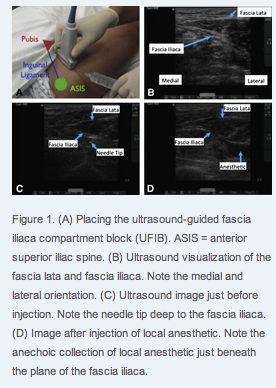
Quite a few recent studies on bedside ultrasound have focused on the hip, as it should, since it is so darn hard to evaluate it by the physical exam alone. Well, not only could ultrasound be used for diagnosing hip dislocations (as evidenced by the below case report), but it is also great for evaluating septic hip joints by visualizing the effusions and helping in its arthrocentesis needs …..as well as using ultrasound for ultrasound-guided fascia iliaca compartment block for hip fractures (especially in the elderly who you’d rather not give a ton of opiates to). – These are all from the Journal of EM.

The first case report discusses a 51 yr old man who was brought in the ED 20 minutes after a fall on wet grass while playing basketball (I know -good for him for staying active!). The current standard of care is to order an Xray. But, sometimes the Xray will not give you the information you need and you may go to CT, or the radiology tech is busy with traumas or other inpatient needs. In this case, the Ap Pelvis XR was normal. Well, never fear – the ultrasound is here! The diagnosis was made of an anterior hip dislocation by ultrasound. See the image below of his dislocated Right hip and normal Left hip when they used their curvilinear probe in anterior, mid-axial and coronal planes:

Screen shot 2012-12-18 at 7.28.25 PM

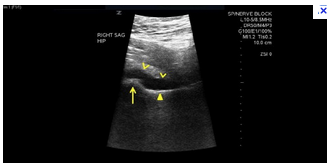
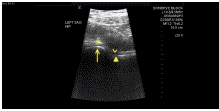
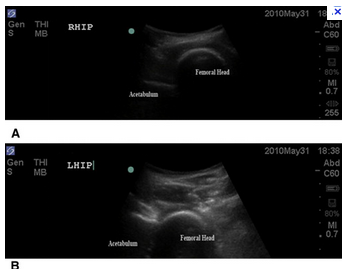
Another case report recently published discusses an 18 yr old female c/o 5 days of hip pain radiating down her anterior thigh and worse with weight bearing and hip movement. No fevers or other symptoms… oh, and she is 23 weeks pregnant. Now, the diagnosis of septic hips is a clinical one yet, sometimes, it can fool the best of us. I know Ive seen a patient with a septic hip walk…yes, with a limp, but still walk… saying “I think I just twisted it.” She was a bounce back to the (different) ED for persistent hip pain after an US was negative for DVT. She had mild leukocytosis (but what pregnant patient doesn’t!?!). The ED docs took a look with their ultrasound machine and saw an effusion (top picture below) (compared it to the opposite a-symptomatic hip (bottom picture below)) and then performed an ultrasound-guided arthrocentesis of purulent fluid: arrow and closed arrow is the femoral head and neck, respectively.

Screen shot 2012-12-18 at 7.48.32 PM

Screen shot 2012-12-18 at 7.49.41 PM

For a great podcast, the only way they know how to make it even more enjoyable – check out UltrasoundPodcast insert for hip ultrasund, aspiration and injection.

Now, the last study I will highlight, is one that is a more common concept/indication for hip issues – the fascia iliaca block for hip fractures. “”Hip fracture (HFx) is a painful injury that is commonly seen in the emergency department (ED). Patients who experience pain from HFx are often treated with intravenous opiates, which may cause deleterious side effects, particularly in elderly patients. An alternative to systemic opioid analgesia involves peripheral nerve blockade”  – word! A small study showing a decrease in pain scale in over 75% of the patients:

Screen shot 2012-12-18 at 7.56.45 PM

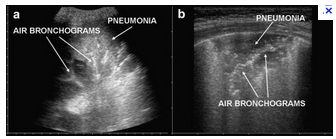
SonoStudy: Ultrasound can diagnose pediatric pneumonia! – Quite a lot of press on this topic!

Not that thoracic bedside ultrasound is only good for children’s pneumonia – as we know there have been recent articles ….and posts here on SonoSpot summarizing the recent hot topic (including one from Blaivas from the Journal of US in Medicine, and another highlighted in our bi-annual Northern CA Journal Club) …that it can help in diagnosing adult pneumonia too – but this topic is getting quite a bit of press lately due to the affect of it with our kids in another study recently published – decreasing radiation? decreasing length of stay? decreasing cost? increasing satisfaction? yes, please.

The actual pediatric study (abstract) can be found here.  It states: just after 1 hour of clinicians learning how to do it, they were able to diagnose pneumonia with ultrasound (chest Xray used as a reference standard). 200 patients (!!) were studied with the prevalence of pneumonia by chest XRay was 18%. “Ultrasonography had an overall sensitivity of 86% (95% CI, 71%-94%), specificity of 89% (95% CI, 83%-93%), positive LR of 7.8 (95% CI, 5.0-12.4), and negative LR of 0.2 (95% CI, 0.1-0.4) for diagnosing pneumonia by visualizing lung consolidation with sonographic air bronchograms. In subgroup analysis of 187 patients having lung consolidation exceeding 1 cm, ultrasonography had a sensitivity of 86% (95% CI, 71%-94%), specificity of 97% (95% CI, 93%-99%), positive LR of 28.2 (95% CI, 11.8-67.6) and negative LR of 0.1 (95% CI, 0.1-0.3) for diagnosing pneumonia.” To view another study from 2009 (!!) where they compared ultrasound to CT, go here. Or one from 2009 from the Italians (because they do everything better) go here.

Medwire from ACEP News has spread the word recently too: “Point-of-care ultrasound scanning can be used to diagnose pneumonia accurately in children and young people, show study findings. Researchers led by James Tsung, from Mount Sinai School of Medicine in New York, USA, hope that their findings could help diagnose children with pneumonia in developing countries, where deaths from the disease are particularly high. “The World Health Organization has estimated as many as three-quarters of the world’s population, especially in the developing world, does not have access to any diagnostic imaging, such as chest X-ray, to detect pneumonia,” said Tsung in a press statement. “Many children treated with antibiotics may only have a viral infection – not pneumonia. Portable ultrasound machines can provide a more accurate diagnosis of pneumonia than a stethoscope.” Tsung and colleagues enrolled 200 patients under the age of 21 years to take part in their study. All patients had suspected community-acquired pneumonia and all diagnoses were checked using chest radiography. The clinicians involved in the study had 1 hour of focused training in ultrasonography to diagnose pneumonia in children and young people. As reported in the Archives of Pediatric and Adolescent Medicine, the patients were aged a median of 3 years and chest radiography diagnosed pneumonia in 18% of the group. Ultrasonography, involving visualization of lung consolidation with sonographic air bronchograms, accurately diagnosed pneumonia in the majority of cases, with a sensitivity of 86%, a specificity of 89%, a positive likelihood ratio (LR) of 7.8, and a negative LR of 0.2. In patients with lung consolidation of over 1 cm, point-of-care ultrasound was even more accurate, with a sensitivity of 86%, specificity of 97%, positive LR of 28.2, and negative LR of 0.1 for diagnosing pneumonia. Kassa Darge and Aaron Chen (The Children’s Hospital of Philadelphia, Pennsylvania, USA), the authors of an accompanying editorial, say that further studies are needed to confirm these results. However, they conclude: “In the future, wherever the institutional infrastructure permits, in the diagnostic imaging algorithm for suspected pneumonia in children, ultrasonography may need to precede, augment, or even replace chest radiography.”

Oh yeah…..let the ultrasoundin’ begin!

For a very fun and funny podcast by the Ultrasound Podcast guys, go here.

For a great and complete pdf lecture on Lung ultrasound by the Critical Care Ultrasound God – aka Lichtenstein – go here.

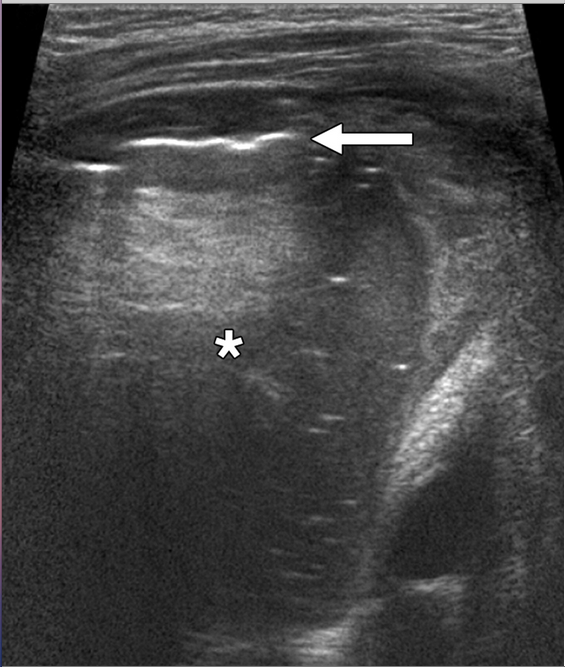
What it can look like: look for the bright white (hyperechoic) areas within lung:

From AJR: a 2 yr old with Pneumonia – the Arrow showing pleural line; the * showing consolidationScreen shot 2012-12-17 at 8.23.05 PM

From Ultrasound in Med and Bio:

Screen shot 2012-12-17 at 8.26.05 PM

SonoStudy and Tutorial: EPSS vs fractional shortening for LV function – is EPSS good enough?

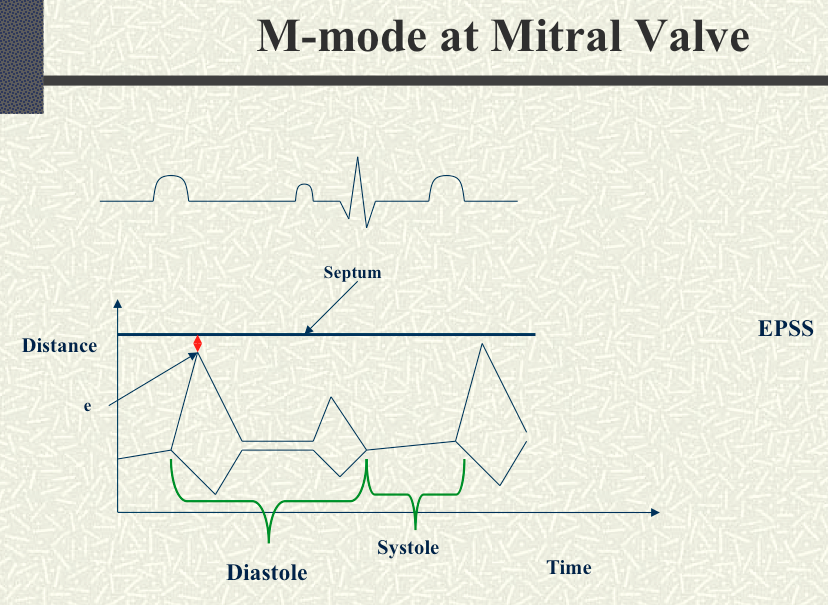
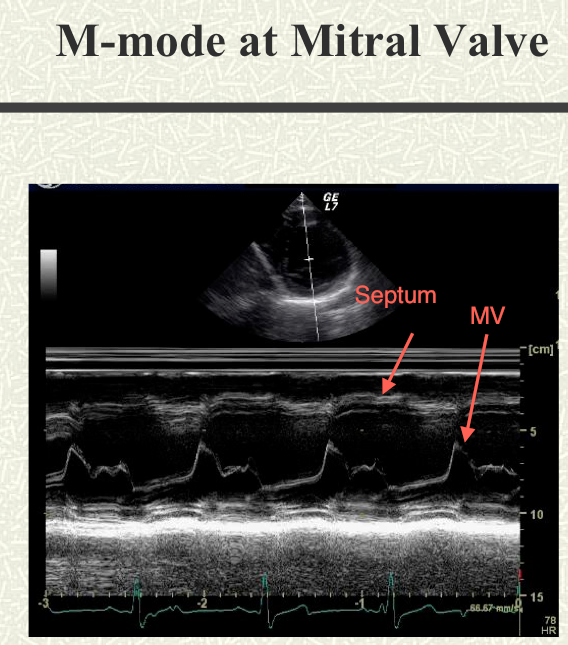
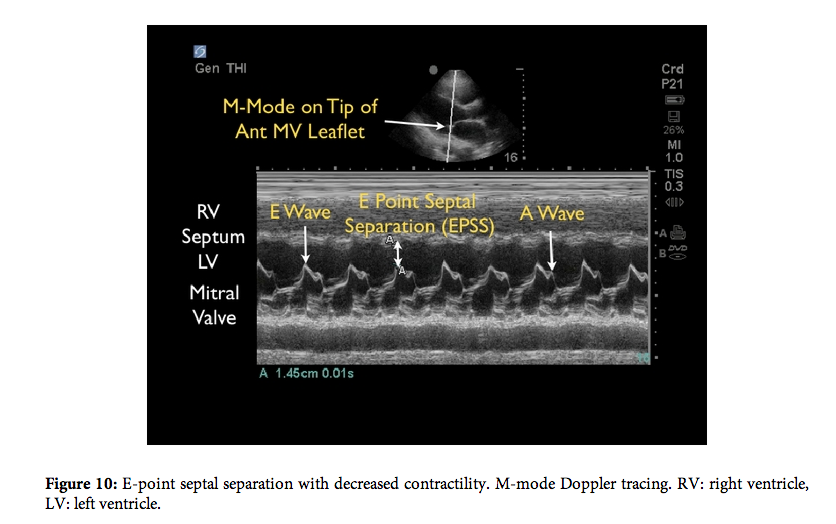
In a recent issue of the Journal of Ultrasound through AIUM, Weekes et al. (and Kendall et al in AM J EM) talk about a hot topic that emergency and critical care physicians hold dear to them – the EPSS , or E-point septal separation – the minimal distance between the anterior mitral valve leaflet and the interventricular septum in the parasternal long view of the cardiac echo during diastole using M-Mode. Now, EPSS is not a part of point of care echo right now (i know, phew!), but there are conversations about whether it should be. The reason is because it is thought that EPSS is a good tool for LV function delineation, possibly better than simple visualization, despite knowing the risks of underestimating ejection fraction due to endocardial output limitations (see below). …Yeah, I know, that’s a lot of words and it took me a year to really understand what the above meant. So, let’s talk about it…especially as it is included in the updated RUSH protocol by Seif, Perera, et al.

EPSS by echo has even been compared to cardiac MRI for LV function recently. And, Dr. Mike Stone and friends did a study last year with regard to EPSS compared to qualitative LV function, stating: “Dyspneic patients with acute decompensated heart failure (ADHF) often present to the emergency department (ED), and emergency physicians (EPs) must act quickly and accurately to evaluate and diagnose patients with ADHF. Traditionally, key components of the patient’s history, physical examination, electrocardiography, and chest radiography are used to diagnose ADHF. However, no single test is highly accurate, and even with the incorporation of B-type natriuretic peptide levels, the diagnosis of ADHF in a dyspneic patient in the ED can be a challenge. Additional modalities that allow prompt and accurate diagnosis of ADHF would be of clinical utility, and estimation of left ventricle ejection fraction (LVEF) using point-of-care ultrasound has been the focus of prior research” showing that EPSS is a good tool compared to qualitative LVEF visualization. EM News folks also highlighted EPSS in a recent entry.

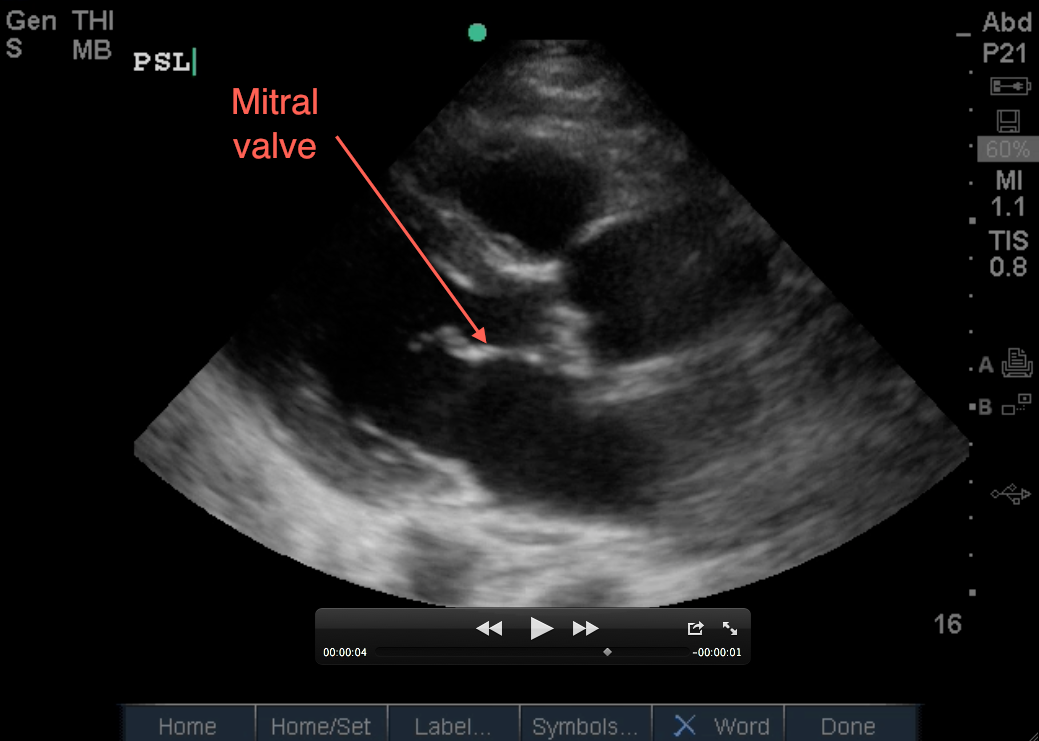
Now, lets talk a bit about the anatomy and physiology about this before we talk about the study. The mitral valve has an anterior leaflet and a posterior leaflet. You can see the mitral valve open and close in the parasternal long view of the heart. the below picture indicates the anterior leaflet:

Screen shot 2012-12-14 at 10.53.12 AM

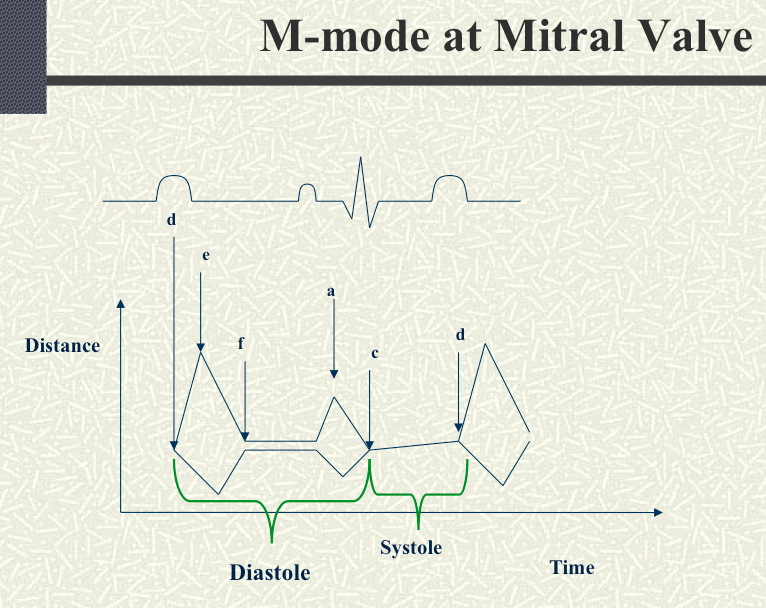
Using the Cardiovscular Institute’s diagrams, we can see the functioning of the mitral valve during systole and diastole in relation to the EKG, with every movement /peaks delineated with a letter  ….one of them being “e” (where E of EPSS comes from):

Screen shot 2012-12-14 at 10.46.50 AMScreen shot 2012-12-14 at 10.48.15 AM

…and in relation to the EKG on M-mode on the PSL view (aka motion mode – basically visualizing the motion of objects in time).

Screen shot 2012-12-14 at 10.49.04 AM

Screen shot 2012-12-17 at 8.30.49 PM

EPSS of >7mm is thought to be an indication of poor LV function. Some use 1cm as the mark to increase their sensitivity for low ejection fraction. So, you can see that it should be a good indicator of LV function.

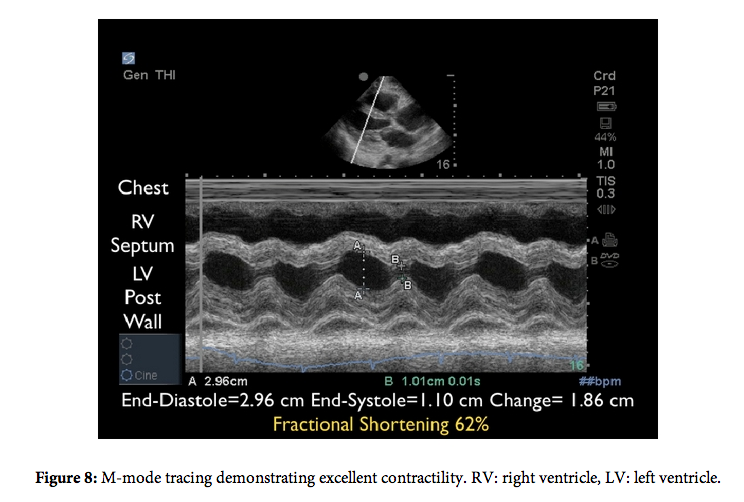
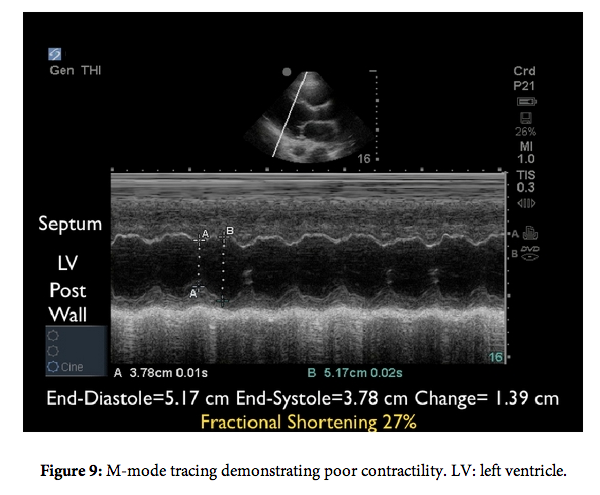
Fractional shortening (FS), however, is….(LVEDd-LVESd) / LVEDd expressed as a percentage. Placing the M-mode cursor across the LV just beyond the mitral valve leaflets, a tracing is shown whose measurements of the LV chamber diameter in both systole and diastole can illustrate FS, or LV contractility (not ejection fraction as it is not a volume measurement). Normal FS being 30-45%. For a complete description of these terms go here – a great overview by ICU Sonography –  and here – a simpler way to understand the measurements through the Stanford ICU website. The updated RUSH protocol, also explains this well, with images from their most recent publication below:

Hyperdynamic/hypercontractile: FS >45%

Screen shot 2012-12-17 at 8.30.18 PM

Abnormal: hypocontractile LV: FS<30%

Screen shot 2012-12-17 at 8.30.27 PM

So, the study was a prospective study, thankfully, and seemed to really want EPSS to be good for LV function, but it looks like it’s not as good as we think:

Abstract: “Objectives Rapid bedside assessment of left ventricular (LV) function can aid in the evaluation of the critically ill patient and guide clinical management. Our primary hypothesis was that mitral valve E-point septal separation measurements would correlate with contemporaneous fractional shortening measurements of LV systolic function when performed by emergency physicians. Our secondary hypothesis was that E-point septal separation as a continuous variable would predict fractional shortening using a linear regression model.

Methods We studied a prospective convenience sample of patients undergoing a sequence of LV systolic function measurements during a 3-month period at a suburban academic emergency department with a census of 114,000 patients. The sample included adult emergency department patients who were determined by the treating emergency physician to have 1 or more clinical indications for bedside LV systolic function assessment. Investigators performed bedside M-mode cardiac sonographic measurements of fractional shortening and E-point septal separation using the parasternal long-axis window. The sequence of LV systolic function measurements was randomized.

Results A total of 103 patients were enrolled. The Pearson correlation coefficient for E-point septal separation and fractional shortening measurements was –0.59 (P< .0001). Linear regression analysis performed for E-point septal separation with fractional shortening as the dependent variable yielded an R2 value of 0.35.

Conclusions E-point septal separation and fractional shortening measurements had a moderate negative correlation. E-point septal separation, when used as a continuous variable in a linear regression model, did not reliably predict fractional shortening.”

The limitations of EPSS as discussed in Stone’s paper:

Valvular diseases that restrict anterior mitral leaflet motion ( mitral stenosis, aortic insufficiency) – will exaggerate EPSS.

Asymmetric septal hypertrophy,

Severe left ventricular hypertrophy,

Discrete proximal septal thickening (sigmoid septum) can lead to small
estimates of EPSS.

Failure to obtain a true parasternal long-axis view may result in falsely elevated
EPSS measurements due to a tangential measurement from mitral valve leaflet to septal wall.

….At the end of the day, my opinion -> just visualizing the LV contractility, as long as you have a good PSL and PSS long view, and you’ve seen enough to know normal versus abnormal, is good enough for me!

SonoStudy: US-guided lines by nurses (& docs) reduce need for physician intervention (& central lines!) for difficult access

A recent study, from the Journal of Emergency Medicine, by Weiner et al at Tufts University, in addition to so many of the prior studies, proves that nurses SHOULD perform ultrasound guided peripheral line placement. they are good at it, they do it right, and they do it well. Oh, and patients love it.

“Emergency physicians (EPs) have become facile with ultrasound-guided intravenous line (USIV) placement in patients for whom access is difficult to achieve, though the procedure can distract the EP from other patient care activities…..A prospective multicenter pilot study: Interested emergency nurses (ENs) received a 2-h tutorial from an experienced EP. Patients were eligible for inclusion if they had either two failed blind peripheral intravenous (i.v.) attempts, or if they reported or had a known history of difficult i.v. placement. Consenting patients were assigned to have either EN USIV placement or standard of care (SOC).” 50 patients enrolled, 29 assigned to USIV and 21 to SOC. “Physicians were called to assist in 11/21 (52.4%) of SOC cases and 7/29 (24.1%) of USIV cases (p = 0.04). Patient satisfaction was higher in the USIV group, though the difference did not reach statistical significance (USIV 86.2% vs. SOC 63.2%, p = 0.06). ”

And, even more recently, another study:

Ultrasound-Guided Peripheral Intravenous Access Program Is Associated With a Marked Reduction in Central Venous Catheter Use in Noncritically Ill Emergency Department Patients.

by Shokoohi et al from George Washington University published in the Annals of Emergency Medicine has been getting quite a bit of press – particularly from MedwireNews: “Training emergency department (ED) staff in use of ultrasound to guide difficult peripheral intravenous catheter placement appears to reduce the unnecessary use of central venous lines, a study suggests. The reduction in central venous line use after the introduction of ultrasound training was particularly notable for patients who were not critically ill, report Hamid Shokoohi (George Washington University, DC, USA) and colleagues…..They say that this has “potentially major implications for patient safety,” noting that around 15% of the 5 million central venous catheters placed in the USA annually result in complications, which can include blood infections, thrombosis, vessel damage, and hematomas.”

The study itself was: “….a time-series analysis of the monthly central venous catheter rate among adult emergency department (ED) patients in an academic urban ED between 2006 and 2011. During this period, emergency medicine residents and ED technicians were trained in ultrasound-guided peripheral intravenous access. We calculated the monthly central venous catheter placement rate overall and compared the central venous catheter reduction rate associated with the ultrasound-guided peripheral intravenous access program between noncritically ill patients and patients admitted to critical care. Patients receiving central venous catheters were classified as noncritically ill if admitted to telemetry or medical/surgical floor or discharged home from the ED. RESULTS: During the study period, the ED treated a total of 401,532 patients, of whom 1,583 (0.39%) received a central venous catheter. The central venous catheter rate decreased by 80% between 2006 (0.81%) and 2011 (0.16%). The decrease in the rate was significantly greater among noncritically ill patients (mean for telemetry patients 4.4% per month [95% confidence interval {CI} 3.6% to 5.1%], floor patients 4.8% [95% CI 4.2% to 5.3%], and discharged patients 7.6% [95% CI 6.2% to 9.1%]) than critically ill patients (0.9%; 95% CI 0.6% to 1.2%). The proportion of central venous catheters that were placed in critically ill patients increased from 34% in 2006 to 81% in 2011 because fewer central venous catheterizations were performed in noncritically ill patients. CONCLUSION: The ultrasound-guided peripheral intravenous access program was associated with reductions in central venous catheter placement, particularly in noncritically ill patients. Further research is needed to determine the extent to which such access can replace central venous catheter placement in ED patients with difficult vascular access.”

A great video on the scanning technique and choosing the right vein can be found here by SonoSite and taught by my good friend, Diku Mandavia:

Another great how-to video can be found here: although long, its a good one for a step-by-step, from the New England Journal of Medicine:

SonoStudy: Emergency Physician-Performed Ultrasound for DVT – a systematic review and meta-analysis

A recent study has made me so excited that I hope it has the Nay-sayers out there ponder and become believers!

“Duplex ultrasound is the first-line diagnostic test for detecting lower limb deep-vein thrombosis (DVT) but it is time consuming, requires patient transport, and cannot be interpreted by most physicians. The accuracy of emergency physician-performed ultrasound (EPPU) for the diagnosis of DVT, when performed at the bedside, is unclear. We did a systematic review and meta-analysis of the literature, aiming to provide reliable data on the accuracy of EPPU in the diagnosis of DVT. The MEDLINE and EMBASE databases (up to August 2012) were systematically searched for studies evaluating the accuracy of EPPU compared to either colour-flow duplex ultrasound performed by a radiology department or vascular laboratory, or to angiography, in the diagnosis of DVT. Weighted mean sensitivity and specificity and associated 95% confidence intervals (CIs) were calculated using a bivariate random-effects regression approach. There were 16 studies included, with 2,379 patients. The pooled prevalence of DVT was 23.1% (498 in 2,379 patients), ranging from 7.4% to 47.3%.

Using the bivariate approach, the weighted mean sensitivity of EPPU compared to the reference imaging test was 96.1% (95%CI 90.6-98.5%), and with a weighted mean specificity of 96.8% (95%CI:94.6-98.1%). Our findings suggest that EPPU may be useful in the management of patients with suspected DVT. Future prospective studies are warranted to confirm these findings.”

That’s right, you read it correctly – EPPU is ok to do and can be useful in the evaluation for DVT – but, of course, it takes studies for people to believe us. Using the two-point compression technique at 2 sites: femoral and popliteal  – identify the vein (its the one next to the artery), compress the vein at 1 cm intervals for at least 5 cm length. A noncompressible vein is positive for DVT. Echogenicity, augmentation are proven to not increase your findings of a DVT, and therefore are not needed. Simply compress.

Here is a great 5 minute review of the DVT Ultrasound technique by SonoSite: